Swiss Travel Pass: travel Switzerland by train, bus and boat on a single ticket
The buttons lead to the activities' GetYourGuide listings. The site earns no commission for now; if affiliate links are added, this will be stated here.
Hop on any train, jump aboard a paddle steamer because the lake looks too good to miss, ride the yellow PostBus to the end of a valley, all without ever buying a ticket: that is the promise of the Swiss Travel Pass. For visitors from abroad, it is often the simplest, and freest, way to discover Switzerland.
What the pass covers
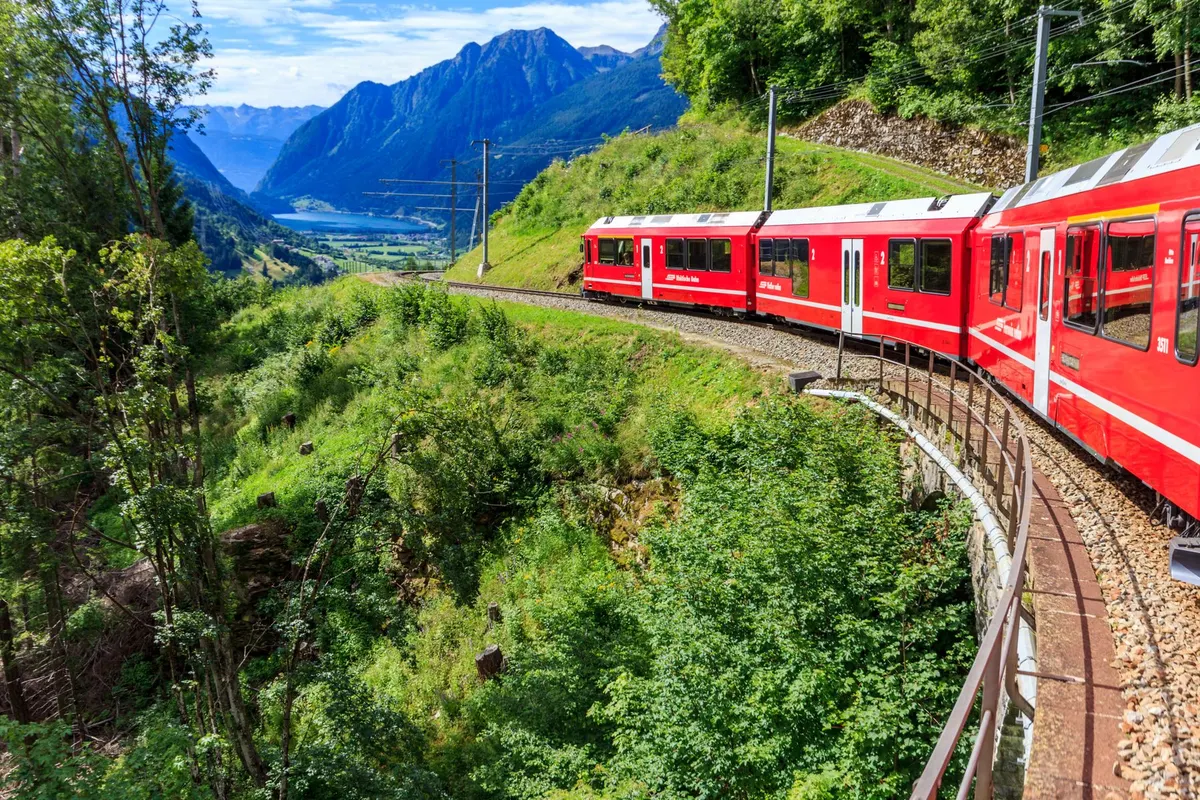
The Swiss Travel Pass is a single ticket, valid for a number of consecutive days, that gives access to most of Switzerland's public transport:
- Trains, buses and boats on the public network, including mountain PostBuses and the boats on the big lakes;
- Local public transport in many towns and cities, from Geneva to Zurich;
- Scenic trains such as the Glacier Express and the Bernina Express, excluding seat reservations;
- Discounts of up to 50% on many mountain railways and cable cars;
- Free entry to more than 500 museums across the country.
The ticket is digital and arrives by email. A "Flex" version lets you choose non-consecutive travel days.
- Swiss Travel Pass: unlimited travel by train, bus and boat
Unlimited trains, buses and boats, scenic trains included except seat reservations, discounts on many mountains and entry to over 500 museums.
Check dates on GetYourGuide
Who it is for
The pass is meant for visitors who do not live in Switzerland or Liechtenstein. If you live in the UK, the US, Germany or anywhere else abroad, it is for you. If you live in Switzerland, the Half Fare travelcard and day passes play the same role.
Three itineraries to make the most of it
Lakes and summits in four days. Geneva and Lake Geneva by paddle steamer, then Lucerne for a cruise on Lake Lucerne and a trip up Pilatus or the Rigi, and finally Interlaken and the Lauterbrunnen valley.
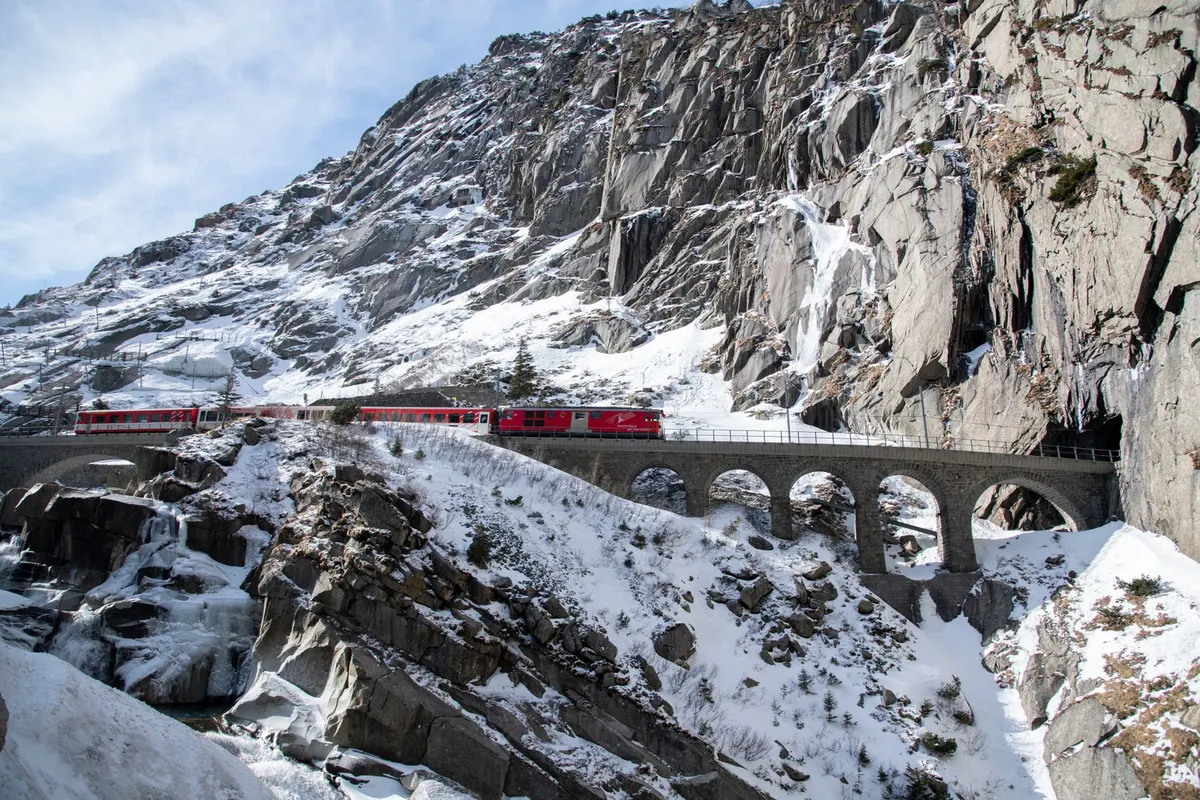
The great scenic trains in eight days. Zurich, the Glacier Express to Zermatt and the Matterhorn, then the Bernina Express across Graubünden to Tirano, and back through Ticino with its lakes and palm trees.
French-speaking Switzerland and the Oberland. Lausanne, the Lavaux vineyards, Montreux, then the GoldenPass train to Gstaad and Interlaken, with a day on an Oberland summit.
Staying in a single region?
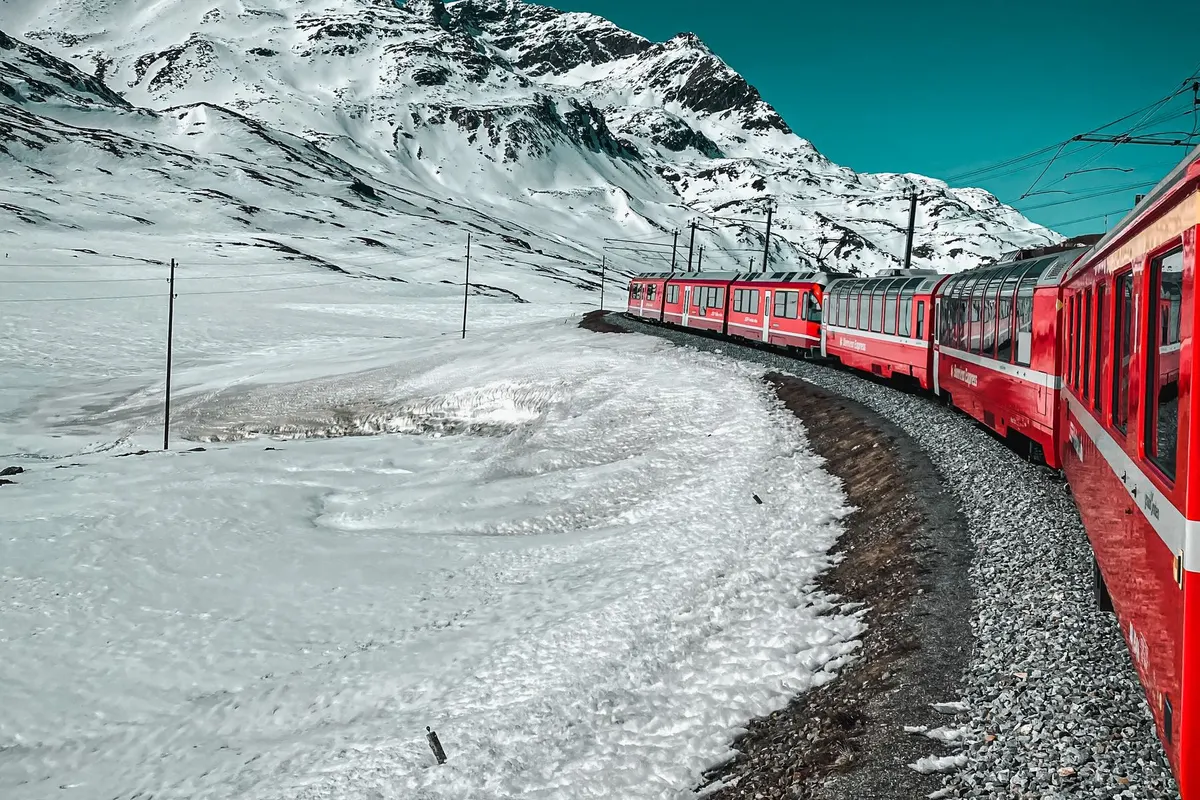
For several days in the Bernese Oberland, a regional pass can be better value, as it also covers many of the region's mountain lifts. In Zermatt, the Gornergrat railway is not included in the pass, which gives a discount at the ticket office; without a pass, the ticket can be bought on its own.
- Switzerland: Berner Oberland Regional Pass, 2nd class
The regional pass for the Oberland: trains, boats and many of the region's mountain lifts over several days.
Check dates on GetYourGuide - Zermatt: Gornergrat cogwheel railway ticket
The little train that climbs facing the Matterhorn to a viewpoint ringed by glaciers.
Check dates on GetYourGuide
Good habits
- Compare: for only one or two long journeys, single tickets booked in advance can be cheaper.
- Book scenic trains early in summer: seats are limited.
- Keep the pass on your phone: it is checked on trains and boats.
Activities selected on GetYourGuide; durations and starting points taken from the listings, checked on 24 November 2026. Times, prices and availability change: check the listing before booking.
Frequently asked questions
Can Swiss residents buy the Swiss Travel Pass?
No, it is reserved for people who do not live in Switzerland or Liechtenstein. Residents have other options, such as the Half Fare travelcard and day passes.
Are the scenic trains included?
Yes, travel on the Glacier Express, the Bernina Express or the GoldenPass is covered, but the compulsory seat reservation on some of these trains costs extra.
Is the Jungfraujoch included?
Not entirely: the pass covers part of the journey, then gives a discount on the last section to the summit. The exact conditions are set out when you buy.